
 By admin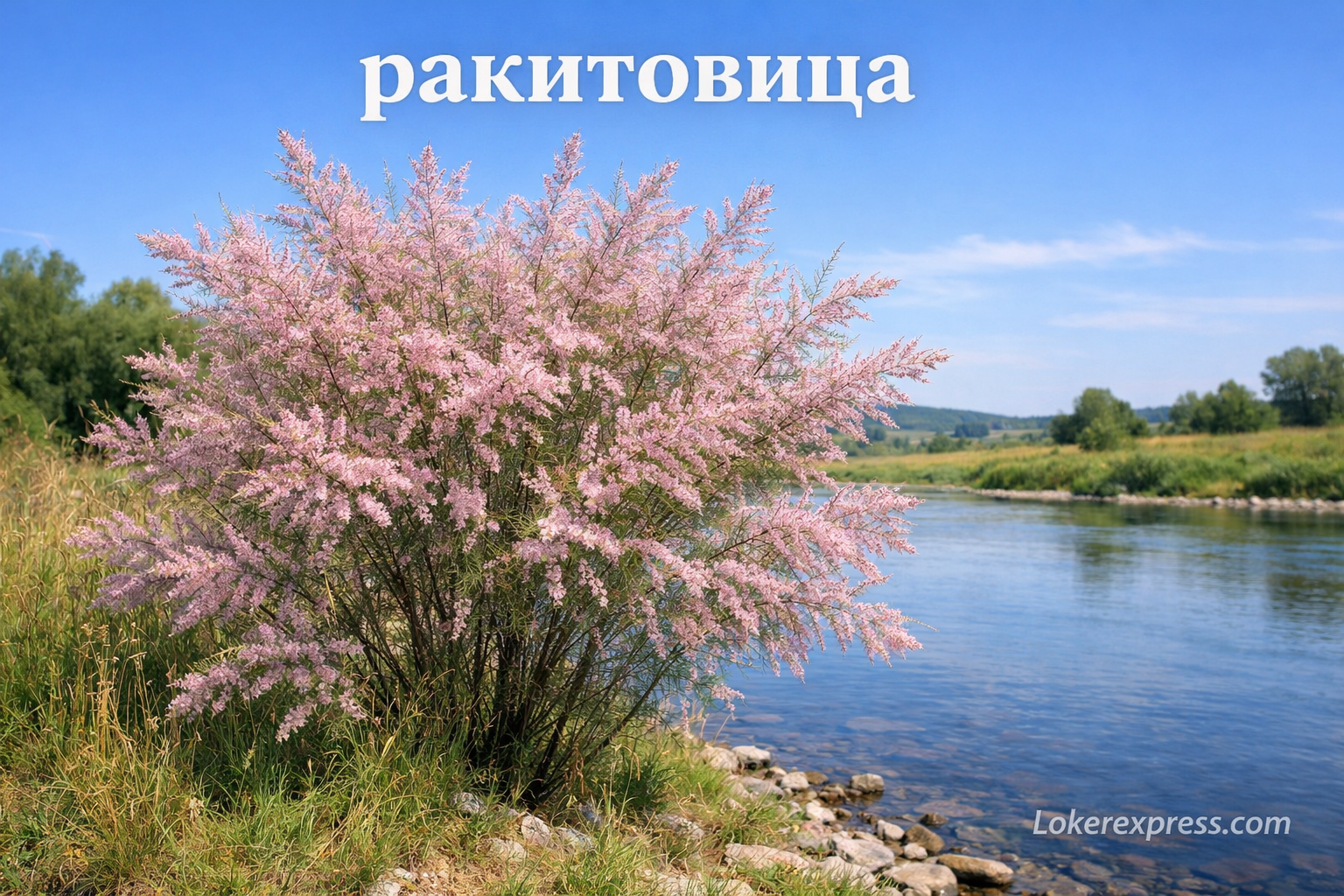
Introduction: what ракитовица is and why it matters to you
If you have ever walked near a river, coast, or dry open landscape and noticed a light, airy shrub covered in soft pink flowers, you may already have seen ракитовица. In Bulgarian and some neighboring regions, this name is commonly used for tamarisk (Tamarix), a hardy shrub or small tree known for surviving where many other plants fail. People search for ракитовица because they want to identify it, grow it, understand its benefits, or simply learn whether it is the right plant for their land or garden.
This article is written for you if you want clear, practical information without confusion. You will learn what ракитовица really is, where it grows best, how to care for it, and what to consider before planting it. Everything is explained in simple English, with real-world advice you can actually use.
What ракитовица really is
Before going deeper, it helps to clear up the meaning of the word. Ракитовица is most often used to describe tamarisk, a group of closely related shrubs and small trees from the genus Tamarix. These plants are native to dry and semi-dry regions of Europe, Asia, and Africa and have adapted to strong sun, wind, poor soil, and even salty conditions.
Tamarisk is not one single plant but a group of many similar species. They all share thin, flexible branches, very small scale-like leaves, and clusters of tiny pink or pale purple flowers. Because the plant looks delicate but survives extreme conditions, it has become popular both in nature and in landscaping. When people talk about ракитовица, they are usually referring to this tough but graceful plant type rather than a specific species.
Where ракитовица grows naturally
To understand ракитовица, you need to look at where it thrives on its own. Tamarisk is most often found near rivers, lakes, coastal areas, sandy soils, and open dry land. It tolerates salt better than most plants, which is why it often grows near the sea or in areas with salty groundwater.
In nature, ракитовица plays a role in stabilizing soil and surviving seasonal floods or droughts. Its roots can handle changes in water level, and its flexible branches bend instead of breaking in strong winds. This natural resilience explains why the plant has spread far beyond its original range and why people still use it today for difficult environments.
How to recognize ракитовица in the landscape
This section helps you confidently identify ракитовица when you see it outdoors or in a garden. From a distance, the plant often looks soft and cloud-like, especially when in flower. Up close, the details become clearer.
Key identification features include thin, twig-like branches with a slightly reddish or brown tone and very small leaves that look more like scales than typical leaves. During flowering season, the plant produces long sprays of tiny flowers, usually pink, that attract insects and create a light, airy appearance. Outside of flowering season, ракитовица still stands out because of its fine texture and open form, unlike dense shrubs with large leaves.
Why people plant ракитовица today
Rakитовица is not just a wild plant; many people choose it intentionally. This section explains the most common reasons why it is planted and valued. Gardeners often select tamarisk for places where other plants struggle. It handles heat, wind, and poor soil with little complaint.
Common reasons people plant ракитовица include:
- Creating a natural-looking screen or windbreak in open areas
- Adding soft color and movement to dry or coastal gardens
- Stabilizing sandy or erosion-prone soil
Because it grows quickly and does not need rich soil, it appeals to people who want a low-maintenance solution rather than a delicate ornamental plant that needs constant care.
How to grow ракитовица successfully
If you are thinking about planting ракитовица, it is important to understand what it needs and what it does not. This section focuses on practical growing advice based on real conditions, not ideal laboratory settings.
Rakитовица grows best in full sun. The more light it gets, the better it flowers and the stronger its structure becomes. It prefers well-drained soil and does not like heavy, constantly wet ground. Once established, it is very drought-tolerant, which means you will not need to water it often.
Pruning depends on when your plant flowers. Some types bloom in spring, others in summer. In general, light pruning to remove dead or crossing branches keeps the plant healthy. Heavy pruning is usually done to encourage new growth and better flowering, not to control size aggressively.
Environmental concerns and responsible planting
This section is important because ракитовица is sometimes misunderstood. In some regions of the world, especially outside its native range, tamarisk has spread too easily and caused ecological problems along rivers and wetlands.
If you live near natural waterways, you should always check local guidance before planting ракитовица. In many areas it behaves well and stays where it is planted, but in others it can spread by seed and compete with native plants. Responsible gardening means choosing the right plant for the right place and avoiding locations where it could escape into sensitive ecosystems.
Common confusions and name mix-ups
Many people feel confused when researching ракитовица online, and this section explains why. The name is sometimes used for different plants or even for place names, which leads to mixed information. In health articles, for example, ракитовица is sometimes wrongly used for completely different species with edible berries.
To avoid mistakes, always look for the Latin name Tamarix when you want information about the plant described in this article. If an article talks about fruits, juices, or supplements, it is probably not referring to tamarisk. Understanding this difference saves you time and prevents wrong assumptions, especially when health or planting decisions are involved.
Is ракитовица useful for wildlife and bees?
This section looks at how ракитовица fits into a living landscape. While it is not a traditional forest plant, it does offer value. During flowering, the plant attracts bees and other insects thanks to its many small flowers. In open landscapes, it can also provide shelter for birds and small animals.
That said, its value for wildlife depends on location. In areas where it is native or well-integrated, it can support local species. In places where it replaces native plants, its benefits may be limited. The key is balance and awareness of your local environment.
Read More: The Benefits of Plant Nurseries WebFreen.com
Conclusion: deciding if ракитовица is right for you
Rakитовица is a plant of contrasts. It looks light and delicate but is incredibly tough. It grows where others fail, yet it needs thoughtful placement to avoid problems. If you want a resilient, low-maintenance shrub for sun, wind, and poor soil, it can be an excellent choice.
Your next step should be simple: observe your space and your local conditions. If your area supports responsible planting of tamarisk, and you need a plant that can handle harsh environments with grace, ракитовица may be exactly what you are looking for.