
 By admin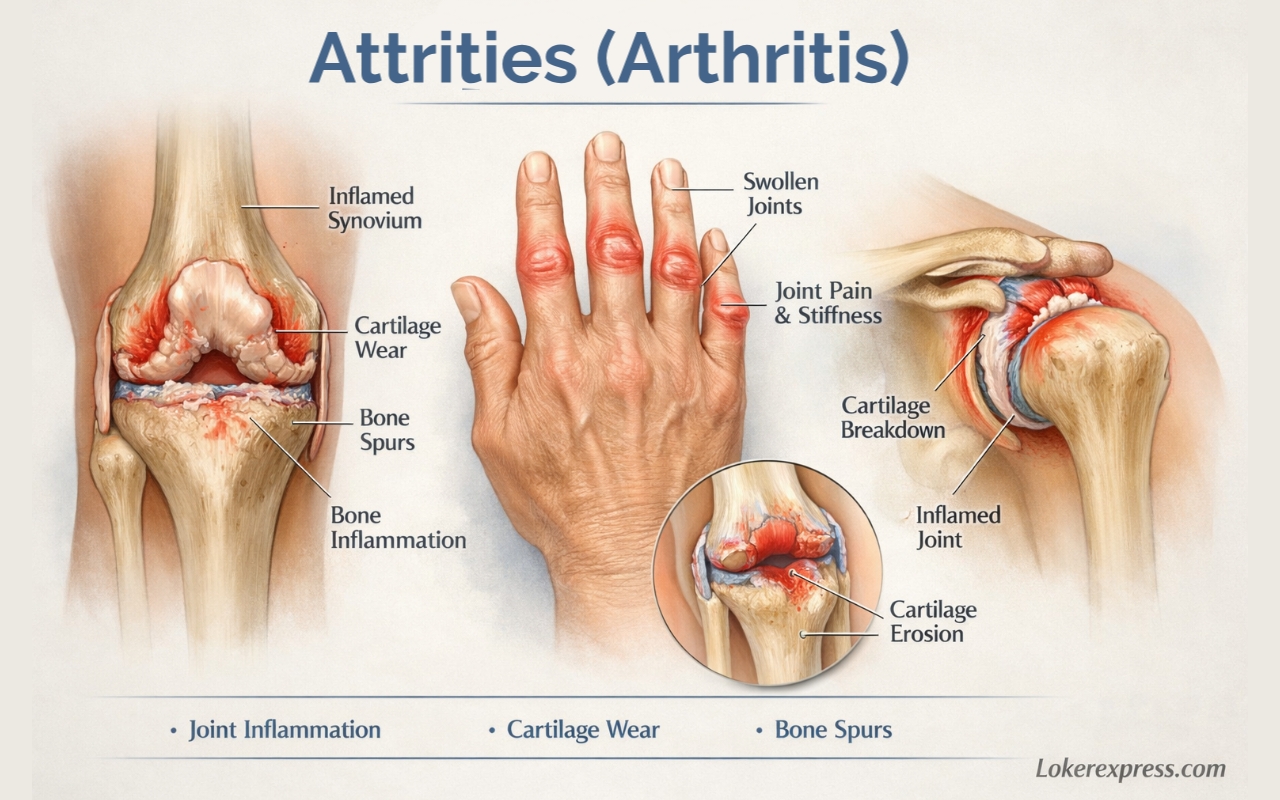
If you searched for “attrities,” you are most likely looking for arthritis—a very common condition that affects the joints and can cause pain, stiffness, and swelling. Many people misspell the word, but the concern behind it is real and shared by millions. This article is written for you if you want clear, trustworthy information about arthritis in simple English, without medical jargon or confusion.
Here, you’ll learn what arthritis is, why it happens, how it affects daily life, and what you can realistically do to manage it. The goal is not to overwhelm you, but to help you understand your body better and take practical next steps with confidence.
What “Attrities” Really Means and Why It’s Commonly Misunderstood
Before going deeper, it helps to clear up the confusion. “Attrities” is not a medical term. In health-related searches, it is almost always a misspelling of arthritis, which means inflammation or damage in one or more joints.
Arthritis is not just one disease. It is a broad term that covers many joint-related conditions. Some forms develop slowly with age, while others are linked to immune system problems or metabolic issues. Because joint pain is so common, people often search for answers before they know the correct spelling or medical name—and that’s completely normal.
If your concern is joint pain, stiffness, swelling, or trouble moving, you are in the right place.
What Is Arthritis and How It Affects Your Joints
Arthritis is a condition that affects the joints, which are the places where two bones meet. Healthy joints allow smooth, pain-free movement. In arthritis, this system breaks down due to inflammation, cartilage damage, or immune system activity.
When joints are affected, you may notice pain during movement or even at rest. Stiffness is common, especially in the morning or after sitting for a long time. Swelling, warmth, and reduced flexibility can make everyday tasks harder, such as walking, opening jars, typing, or climbing stairs.
Arthritis can affect one joint or many. It may stay mild for years or slowly become more limiting if not managed properly.
Common Types of Arthritis You Should Know About
Not all arthritis is the same. Understanding the main types helps you make sense of your symptoms and treatment options.
Osteoarthritis: Wear-and-Tear Joint Damage
Osteoarthritis is the most common type. It happens when the cartilage that cushions your joints slowly wears away. Without that cushion, bones rub against each other, leading to pain and stiffness. It often affects knees, hips, hands, and the spine, especially as people age.
Rheumatoid Arthritis: An Autoimmune Condition
Rheumatoid arthritis is caused by the immune system attacking the lining of the joints by mistake. This leads to ongoing inflammation and can damage joints over time. It often affects both sides of the body, such as both hands or both knees, and may come with fatigue and general discomfort.
Gout and Other Inflammatory Types
Gout is caused by a buildup of uric acid crystals in a joint, often the big toe. Other forms, such as psoriatic arthritis or arthritis linked to spine inflammation, affect specific areas and may be connected to other health conditions.
Early Signs and Symptoms You Should Not Ignore
Arthritis often starts quietly. Many people ignore early signs, thinking they are just part of aging or temporary strain. Paying attention early can make a big difference.
Common symptoms include:
- Joint pain that comes and goes
- Morning stiffness that lasts longer than usual
- Swelling or tenderness around joints
- Reduced range of motion
- A feeling of warmth in the joint
If these symptoms persist or slowly worsen, it’s a good idea to take them seriously rather than pushing through the pain.
What Causes Arthritis and Who Is at Risk
There is no single cause of arthritis. The reason depends on the type, but several factors increase your risk.
Age plays a major role, especially in osteoarthritis. Past joint injuries can lead to arthritis years later. Extra body weight puts added stress on joints like knees and hips. Genetics can also influence your risk, particularly with autoimmune forms like rheumatoid arthritis.
Lifestyle factors matter too. Repetitive joint stress, lack of physical activity, and poor muscle support around joints can all contribute to joint damage over time.
How Arthritis Is Diagnosed and What to Expect
Getting a clear diagnosis is an important step. A healthcare provider usually starts by listening to your symptoms and examining your joints. They may check how well you move, where it hurts, and whether there is swelling or tenderness.
In some cases, imaging tests like X-rays or scans are used to see joint damage. Blood tests may help identify inflammatory or autoimmune types of arthritis. Diagnosis is not always instant, but it helps guide the right treatment plan.
The goal of diagnosis is not just to name the condition, but to understand how it is affecting your daily life and how to manage it effectively.
Treatment Options That Actually Help in Real Life
There is no single cure for arthritis, but there are many ways to reduce pain and protect your joints. Most treatment plans combine medical care with lifestyle changes.
Medical treatments may include pain relievers, anti-inflammatory medications, or drugs that calm the immune system in autoimmune arthritis. Physical therapy is often very helpful, as it strengthens muscles around joints and improves flexibility.
In more advanced cases, injections or surgery may be considered, especially when joint damage severely limits movement. These options are usually explored only after other treatments have been tried.
Daily Management Tips for Living Well With Arthritis
Living with arthritis is about consistency and balance. Small daily habits can make a big difference over time.
Helpful strategies include:
- Staying active with low-impact exercise like walking, swimming, or cycling
- Maintaining a healthy weight to reduce joint stress
- Using heat or cold to ease stiffness or swelling
- Taking breaks and pacing activities to avoid overloading joints
Listening to your body is key. Pain is a signal, not something to ignore or fight through every day.
Arthritis and Mental Well-Being: The Side People Don’t Talk About
Chronic joint pain can affect more than your body. It can also influence your mood, sleep, and confidence. Feeling frustrated or tired of dealing with pain is common and understandable.
Staying socially connected, asking for support, and speaking openly with healthcare providers can help. Managing arthritis is not just about joints—it’s about protecting your overall quality of life.
Read More: Artisticassasins: Bold Creative Identity for Modern Artists
Conclusion: What You Can Do Next
If you searched for “attrities,” you were likely looking for answers about arthritis and joint pain. Now you know what arthritis is, why it happens, and how it can be managed in real, practical ways.
Your next step is simple: pay attention to your symptoms, take joint pain seriously, and seek guidance when needed. With the right knowledge, support, and daily habits, many people live active, fulfilling lives despite arthritis.
You don’t have to solve everything at once. Start with small changes, stay informed, and take care of your joints—they carry you through life every day.