
 By admin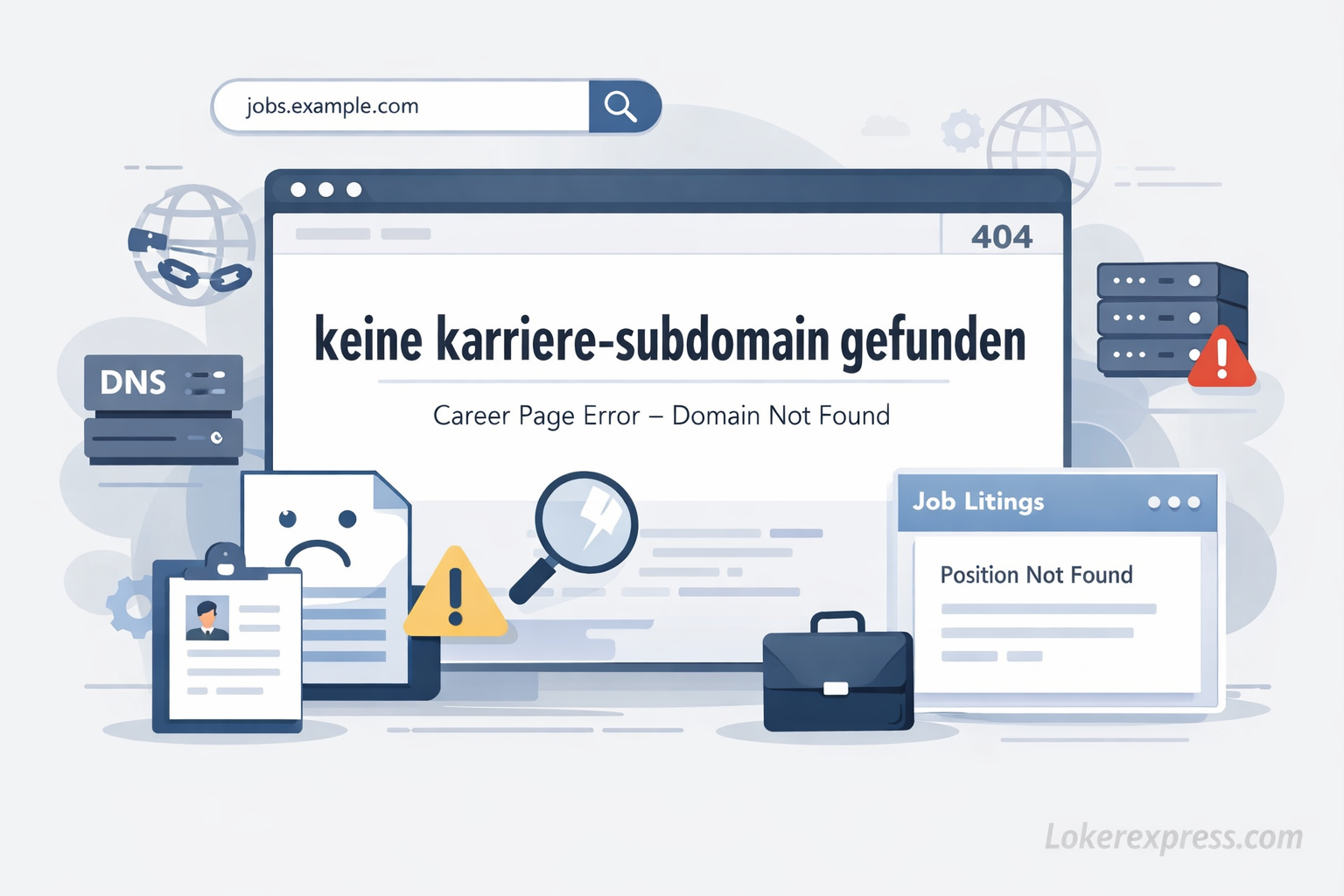
Introduction: Why you are seeing “keine karriere-subdomain gefunden”
If you are searching for “keine karriere-subdomain gefunden”, you are probably dealing with a confusing and frustrating problem. You may be a website owner, an SEO manager, someone from HR, or even a job seeker who clicked on a company’s career link and ended up with an error instead of job listings. This message simply means that a careers subdomain, such as karriere.domain.de or jobs.domain.com, cannot be found or accessed.
This article is written for you if you want to understand what this error really means, why it happens so often, and how you can fix it in a clean, SEO-friendly way. We will look at the technical side, the SEO impact, and the user experience side, all in simple English. By the end, you will know exactly what to check and what to do next.
What a career subdomain is and why companies use it
Before fixing the problem, it helps to understand the basics. This section explains what a career subdomain is and why so many companies rely on it.
A career subdomain is a separate part of a website used only for jobs and recruiting. Instead of placing job pages directly on the main website, companies often use addresses like karriere.example.com or careers.example.com. This setup is popular because many companies use external recruiting systems that host job listings for them. The subdomain acts like a bridge between the main website and the hiring platform.
From a user perspective, this can work very well. Job seekers get a clear, focused area for careers, and HR teams can manage job postings without touching the main website. From a technical perspective, however, it adds complexity. That complexity is often the root cause behind the message “keine karriere-subdomain gefunden.”
What the error message actually means in plain language
This section explains the message itself, without technical jargon.
“Keine karriere-subdomain gefunden” literally means “no career subdomain found.” In practical terms, it means that the browser, system, or tool trying to access the careers page cannot find a working destination at that address. Either the subdomain does not exist, it is not connected correctly, or it no longer points to valid content.
This does not always mean that the company has no job openings. Often, the jobs still exist somewhere else, but the link leading to them is broken or outdated. That is why this error is so harmful. It blocks access to real content and creates confusion for both users and search engines.
The most common reasons this problem happens
There is rarely just one cause. This section walks you through the most common real-world reasons behind a missing career subdomain.
One frequent reason is a DNS issue. The subdomain may never have been created properly, or it may have been deleted during a cleanup or website relaunch. Another common cause is a change in the recruiting system. When a company switches from one hiring platform to another, the career subdomain often changes, but old links remain in menus, footers, emails, and job ads.
SSL certificates are another hidden problem. Even if the subdomain exists, it may not be covered by a valid security certificate. Modern browsers treat this as a serious issue and may block the page or show warnings, which feels like a broken site to most users.
Finally, missing redirects play a big role. If the career page moved from a subdomain to a folder, or to a completely different domain, and no proper redirect was set up, users and search engines are left hitting a dead end.
How this issue affects SEO and visibility in search results
This section focuses on why SEO professionals care so much about this error.
Search engines want to show reliable, accessible pages to users. When a careers subdomain is broken, search engines may stop crawling it or remove its pages from the index. Over time, this can lead to fewer impressions for job-related searches, weaker brand signals, and loss of trust.
If job pages were previously ranking well, a broken subdomain can quietly erase that progress. Internal links from the main website suddenly point to nowhere. External links from job boards and social media become useless. Even branded searches like “Company Name jobs” may suffer.
For companies that rely on organic traffic to attract candidates, this can directly impact hiring speed and quality. SEO is not just about rankings here; it is about making sure real people can find and apply for real jobs.
User experience: why job seekers leave when they see this error
SEO is only one side of the story. This section looks at what happens in the mind of a job seeker.
When someone clicks on a careers link and sees an error, they rarely try again. Most people assume the company is either not hiring or not organized. This creates a negative first impression, especially for candidates who are comparing multiple employers.
A broken career page also breaks trust. If the application process feels unreliable, candidates may worry about how the company operates internally. In competitive job markets, this is often enough for them to move on to another employer without a second thought.
That is why fixing this issue is not just a technical task. It is part of employer branding and candidate experience.
How to check if your career subdomain is really broken
This section gives you practical steps you can take right now.
Start by opening the career subdomain in a normal browser, not just in a testing tool. Try it on desktop and mobile. See what actually loads. If nothing loads, or you see a security warning, you already have a clear signal.
Next, check where your main website links to. Look at the navigation menu, footer, and any “Jobs” or “Careers” buttons. Make sure they all point to the same, correct URL. Inconsistencies here are very common.
You should also check older content. Blog posts, PDFs, and email templates often contain hardcoded career links that no one remembers to update. These forgotten links are a frequent source of ongoing errors.
Career subdomain vs career folder: which is better long-term?
This section compares two common setups and helps you decide what makes sense for you.
A career subdomain is flexible and works well with many external hiring tools. However, it requires separate technical care. DNS, SSL, and tracking all need extra attention. When something breaks, it often breaks completely.
A career folder, such as example.com/karriere, lives inside the main website. This setup is usually easier to maintain and benefits more directly from the main domain’s SEO strength. The downside is that it may not work with every recruiting platform without customization.
If you are planning a rebuild or migration, it is worth thinking long-term. Fewer moving parts usually mean fewer errors like “keine karriere-subdomain gefunden.”
How to fix the problem without harming SEO
This section focuses on safe, SEO-friendly fixes.
If the career subdomain should exist, make sure it is properly set up and points to the correct destination. Work closely with whoever manages DNS and hosting. Small mistakes here have big consequences.
If the careers content has moved, set up permanent redirects from the old subdomain to the new location. This tells search engines and users that the change is intentional and permanent. It also helps preserve any SEO value the old URLs had built up.
After fixing the technical side, give search engines time to reprocess the changes. Monitor traffic, crawl errors, and user behavior. A clean fix often leads to gradual recovery rather than instant results.
How to prevent this error in the future
Prevention is easier than repair. This section explains how to avoid repeating the same problem.
Treat your career pages as a core part of your website, not an afterthought. Document where they live, who owns them, and what systems they depend on. When changes are planned, include HR, IT, and marketing in the conversation.
Regularly test your career links, just like you would test checkout or contact pages. A simple monthly check can catch issues before candidates do. Also, be careful with redesigns and platform changes. Most career subdomain problems start during transitions.
Read More: jarrchisz1.2.6.4 Explained: Meaning, Safety, and Use Guide
Conclusion: Your next step after reading this
“Keine karriere-subdomain gefunden” is not just an error message. It is a sign that something in your digital hiring setup is broken or outdated. The good news is that the problem is usually clear once you know where to look, and the fix is often straightforward.
Your next step should be simple: check your current career URL, confirm where it should point, and make sure users and search engines can reach it without errors. Whether you are fixing an existing subdomain or moving to a cleaner structure, focus on clarity, stability, and user trust.
When candidates can find your jobs easily and apply without friction, both your SEO and your hiring results improve. That is the real goal behind solving this issue.