 By admin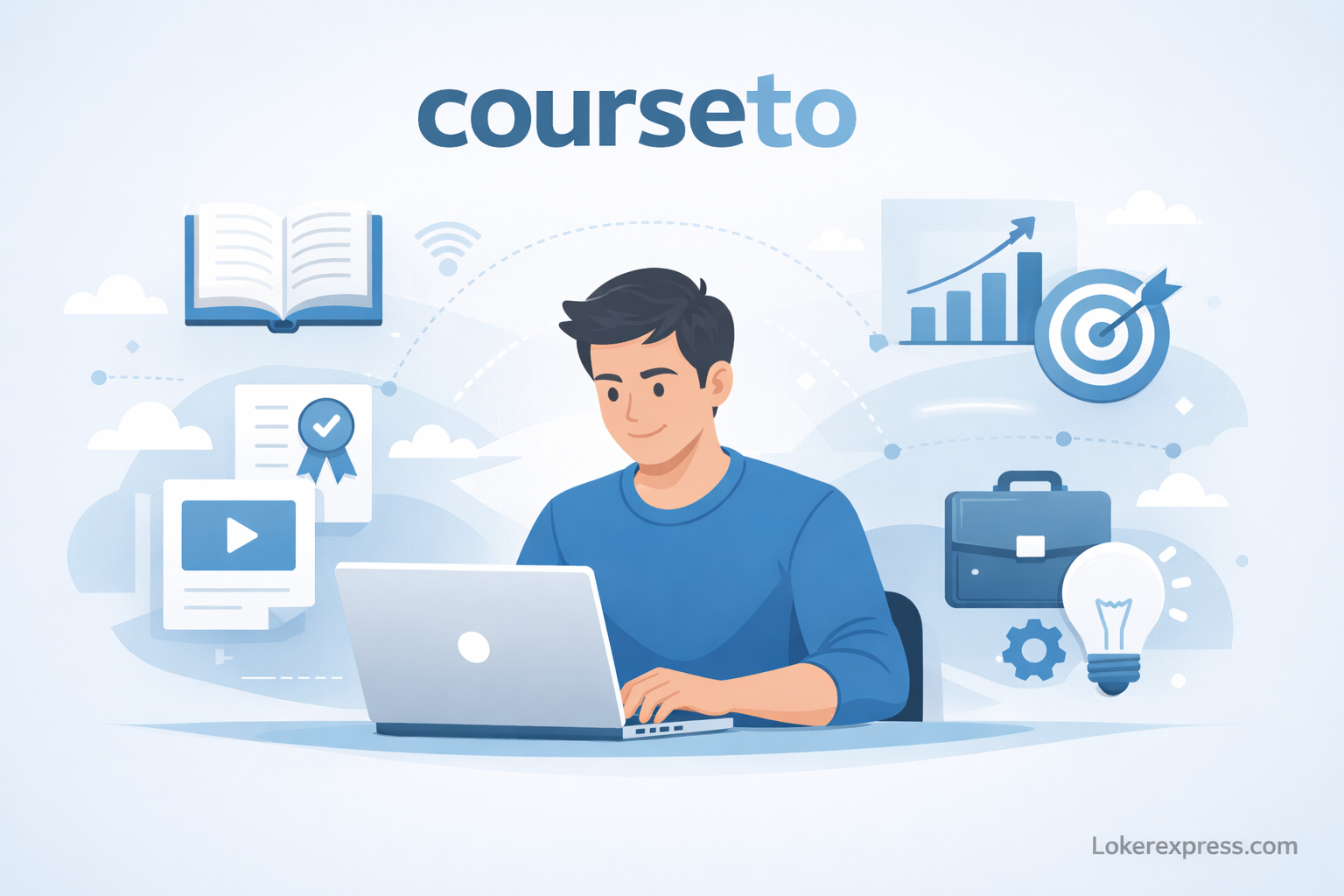
Online learning has changed how you build skills, switch careers, and stay competitive at work. You no longer need a classroom, a fixed schedule, or a large budget to learn something valuable. Platforms like Courseto are part of this shift. If you’ve heard the name but are not fully sure what it offers, how it works, or whether it’s right for you, this article is for you.
This guide explains Courseto in clear, everyday language. You’ll learn what Courseto is, how people use it, what to look out for before enrolling, and how to get real value from it. The goal is not hype, but clarity, so you can make a smart learning decision.
What Courseto Is and Why People Are Talking About It
Courseto is commonly described as an online learning platform focused on practical, skills-based education. Unlike traditional academic programs, it aims to help you learn useful abilities you can apply in real life, often related to work, business, or personal growth.
One reason Courseto attracts attention is timing. Many people today are not looking for long degrees. They want focused learning that fits into busy schedules and delivers something useful quickly. Courseto fits into this trend by emphasizing flexible learning, self-paced courses, and topics that feel relevant to modern careers.
Depending on how it is presented, Courseto may function either as a platform that hosts its own courses or as a learning guide that helps you choose the right courses and learning paths. That makes it important to understand exactly what version you are interacting with before you sign up.
Who Courseto Is Best For
Courseto is not designed for everyone, and that’s a good thing. It tends to appeal most to learners who value practicality over formality.
If you are someone who wants to upgrade your skills for work, explore a new field without committing to a full degree, or learn at your own pace, Courseto may fit your needs. It can also be useful if you feel overwhelmed by too many course options online and want some structure or guidance.
However, if your main goal is a highly regulated qualification or a degree that requires strict accreditation, a traditional institution or a well-known university partner platform may be a better choice. Courseto works best when your focus is learning by doing.
How Learning on Courseto Usually Works
Most learners experience Courseto as a self-paced learning environment. You choose a course or learning path, work through lessons over time, and apply what you learn through exercises or real-world examples.
Because learning is flexible, you control the pace. This is helpful if you work full-time, run a business, or have other responsibilities. You can study in short sessions instead of blocking out large chunks of time.
In many cases, progress tracking is built in so you can see how far you’ve come. This matters more than it sounds. Seeing progress keeps you motivated and reduces the chance of quitting halfway through.
Choosing the Right Course on Courseto
Not all courses are created equal, and choosing the right one matters more than choosing quickly. Before enrolling, take a moment to think about your actual goal.
Ask yourself what problem you want to solve or what outcome you want. Do you want to perform better at your current job? Prepare for a career shift? Build a specific skill like writing, design, or analytics?
When reviewing a course, look for clarity. A good course clearly explains what you will learn, who it is for, and what level it starts at. Be cautious of courses that promise dramatic results without explaining the process.
A helpful way to decide is to look at what you will be able to do after finishing the course. If you can picture yourself applying the skill within a few weeks, that’s usually a good sign.
Trust, Transparency, and What to Check Before Paying
Whenever you consider a learning platform, trust matters. Before paying for any Courseto course, take time to review basic but important details.
Check whether pricing is clear and whether there is information about refunds or cancellations. Look for contact details or support options, so you know where to turn if something goes wrong.
Also pay attention to how personal data is handled. Legitimate platforms explain how they store information and how you can manage or delete your account.
If something feels unclear or rushed, pause. A good learning platform does not pressure you into enrolling. It gives you enough information to decide with confidence.
How to Actually Finish a Courseto Course
One of the biggest challenges in online learning is not starting, but finishing. Many people enroll with good intentions but never complete the course.
The solution is not motivation alone. It’s structure. Set a simple routine that fits your life, even if it’s only twenty minutes a day. Consistency matters more than long study sessions.
Try to apply what you learn immediately. If the course teaches a concept, find a small way to use it the same week. This turns learning into action and makes the content stick.
If Courseto offers progress tracking or community features, use them. Feeling connected, even lightly, increases completion and confidence.
Certificates, Skills, and Real Career Value
Certificates can be useful, but only when they represent real ability. Employers and clients care more about what you can do than what document you hold.
If a Courseto course offers a certificate, treat it as proof of effort, not the final goal. The real value comes from demonstrating the skill. That might be a project, a case study, a workflow, or a visible improvement in your work.
After finishing a course, take time to translate your learning into evidence. Update your portfolio, LinkedIn profile, or resume with specific results rather than general claims. This is where online learning turns into real opportunity.
Courseto Compared to Other Learning Platforms
Courseto exists in a crowded online learning space. Larger platforms often offer massive catalogs, well-known instructors, and partnerships with universities or companies. Courseto’s appeal usually lies in simplicity, focus, and flexibility.
If you want structured degree-style programs or widely recognized credentials, established platforms may feel safer. If you want practical learning without unnecessary complexity, Courseto can be a useful option.
Many learners combine platforms. You might use Courseto to identify what to learn and then deepen your skills elsewhere. What matters is not loyalty to a platform, but progress toward your goal.
Teaching or Creating Courses on Courseto
If you are an expert thinking about teaching, Courseto may offer a way to share your knowledge with a global audience. Before creating a course, approach it thoughtfully.
Understand how content ownership works, how pricing is handled, and how payments are calculated. Clear rules protect both you and your learners.
A strong course focuses on helping students take action, not just consume information. If you can design learning that leads to real results, you increase trust and long-term value for everyone involved.
Read More: RogerOConnellAgency Explained: Insurance, Branding & Trust
Conclusion: Is Courseto Worth Your Time?
Courseto reflects a larger shift in how people learn today. It focuses on flexibility, practical skills, and learner control. For many people, that is exactly what traditional education lacks.
Whether Courseto is right for you depends on your goals, expectations, and willingness to take responsibility for your learning. When used thoughtfully, it can be a useful tool for building skills that matter.
Your next step is simple. Be clear about what you want to learn, verify the details of the course or platform, and commit to consistent action. Online learning works best when you treat it not as content to consume, but as a process you actively use to improve your life and work.