
 By admin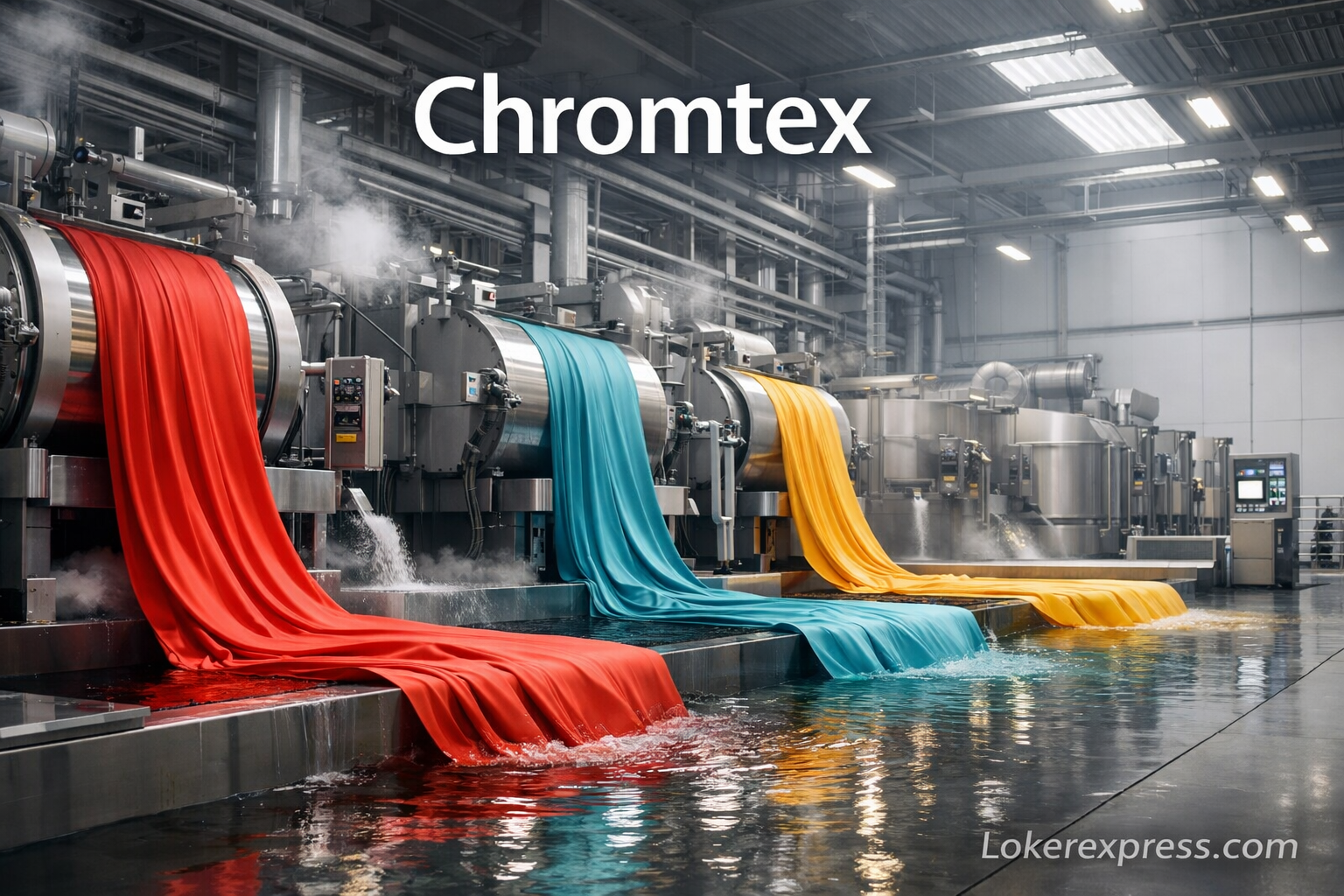
If you searched for “Chromtex,” you probably noticed one thing right away: the term is not always explained clearly. Some sources treat Chromtex as a textile-related name, others as a business name, and some use it to describe ideas linked to dyeing, finishing, and fabric performance. That confusion can be frustrating if you are a buyer, manufacturer, student, or business owner trying to understand what Chromtex actually refers to.
This article is written for you if you want clarity instead of marketing noise. It explains what Chromtex commonly represents in the textile context, how it connects to real-world fabric processing, and how you can evaluate claims linked to it. By the end, you will understand how Chromtex fits into modern textile production and what to look for if you encounter it in sourcing, manufacturing, or research.
Understanding What “Chromtex” Refers to
Before going deeper, it helps to set expectations. Chromtex is not a globally defined technical standard like ISO, nor is it a single patented technology used by all textile mills. Instead, it is a name that appears in different contexts, most often connected to textiles, processing, or company branding.
In the textile world, Chromtex is usually associated with ideas around color treatment, dyeing performance, or finishing processes. The “chrom” part of the name naturally brings attention to color, shade control, and visual quality, which are core concerns in fabric manufacturing. Because of this, Chromtex is often used as a descriptive or brand-level term rather than a strict scientific definition.
Understanding this helps you avoid a common mistake: assuming Chromtex automatically guarantees quality or sustainability. Like many industry terms, its real value depends on how it is applied in practice.
Why Chromtex Is Often Linked to Dyeing and Finishing
To understand why Chromtex appears so often in discussions about dyeing and finishing, you need to look at where most textile quality problems happen. The wet processing stage is where fabric is cleaned, prepared, dyed, washed, and finished. It is also where color inconsistency, fabric damage, and chemical issues are most likely to occur.
Color accuracy is one of the biggest challenges in textiles. Small changes in water quality, temperature, pH, or timing can lead to visible shade differences. When Chromtex is used in a textile context, it usually points to better control over these variables, whether through improved chemistry, better process discipline, or both.
Finishing is another reason the term shows up often. This is the stage where fabrics get their final feel, performance, and appearance. Softness, wrinkle resistance, moisture management, and durability all depend on how finishing is handled. Chromtex-related claims in this area usually focus on achieving consistent results without damaging the fabric or causing future complaints.
The Role of Chromtex in Fabric Quality and Performance
From a practical point of view, Chromtex is most useful when it supports consistent fabric performance. In real factories, quality is not about one perfect roll of fabric; it is about producing thousands of meters that all behave the same way.
When Chromtex is used as a quality concept, it usually touches three key areas. First is shade consistency, which affects how garments look when assembled. Second is color fastness, which determines how well the color holds up during washing, rubbing, and exposure to light. Third is hand feel, which influences how the fabric feels against the skin and how it drapes.
If you are evaluating a Chromtex-related claim, the key question to ask is simple: does it reduce variation? Mills that focus on controlled processes tend to waste less fabric, rework less material, and deliver more predictable results to brands.
Chromtex and Sustainability in Textile Processing
Sustainability is one of the main reasons people search for Chromtex today. Textile dyeing and finishing use large amounts of water, energy, and chemicals, so even small improvements can make a big difference.
In sustainability discussions, Chromtex is often associated with more efficient use of resources. This can include lower water consumption, fewer rinse cycles, or better chemical selection. The idea is not just to meet environmental expectations, but also to reduce costs and operational risk.
What matters most is not the label itself, but the outcome. A process that produces stable shades in fewer steps is usually better for the environment than one that relies on repeated corrections. When Chromtex is applied responsibly, it supports both environmental goals and business efficiency.
Chemical Safety and Compliance Considerations
Any serious textile operation must think about chemical safety, even if Chromtex is only mentioned as a concept or product name. Dyeing and finishing involve substances that can affect workers, consumers, and the environment if they are not managed properly.
In practice, this means understanding what chemicals are used, why they are used, and how they are controlled. Responsible mills do not rely on last-minute testing alone. They build compliance into their process by selecting safer alternatives, keeping clear documentation, and monitoring outputs like wastewater.
If Chromtex is presented as part of a safer or cleaner approach, you should expect transparency. Clear explanations, test data, and alignment with recognized chemical management practices are signs that the claim is grounded in reality.
How Brands and Buyers Should Evaluate Chromtex Claims
This section is especially important if you are sourcing fabrics or finished products. Chromtex-related claims can sound impressive, but not all of them are meaningful.
When you evaluate such claims, focus on evidence rather than wording. Ask how performance is measured, how often testing is done, and whether results are consistent across production runs. If sustainability is part of the message, ask what has actually changed in the process.
A helpful way to think about evaluation is to check three areas:
- Process control: Are steps clearly defined and repeatable?
- Results: Are quality and performance supported by data?
- Transparency: Can the supplier explain what they do in plain language?
If a Chromtex claim cannot answer these points clearly, it may be more marketing than substance.
Chromtex as a Business or Brand Name
Not every Chromtex search is about textiles in a technical sense. In some cases, people are simply trying to find a company or organization with Chromtex in its name. This is where confusion often happens, especially when similar names exist in different industries or countries.
If your goal is to find a specific Chromtex business, the safest approach is to rely on official records, company registrations, or trusted directories. Social media pages and generic articles can be helpful, but they should not be your only source.
Taking a few extra minutes to confirm details like location, industry type, and registration information can save you from costly misunderstandings later.
Common Misunderstandings About Chromtex
Because Chromtex is not a strict technical standard, misunderstandings are common. One of the biggest is assuming that the name alone guarantees quality or sustainability. In reality, results depend on how processes are designed and controlled.
Another misunderstanding is treating Chromtex as interchangeable with similar-sounding names. Small spelling differences can point to completely different companies or industries. Always double-check before making decisions based on a name alone.
Finally, some people expect Chromtex to be a single solution that fixes all problems. Textile manufacturing does not work that way. Improvement comes from many small, well-managed steps working together.
Is Chromtex Relevant for Small and Medium Manufacturers?
Chromtex-style thinking is not limited to large factories. In fact, smaller operations often benefit the most from better control and clearer processes. When margins are tight, reducing rework and waste has an immediate impact.
You do not need expensive systems to apply these ideas. Simple actions like documenting recipes, standardizing procedures, and training operators consistently can already improve results. Chromtex, when understood as a mindset rather than a product, can be very practical for smaller teams.
Read More: Ausbeulstation: Everything You Need to Know About Professional Dent Repair
Conclusion: How to Use Chromtex Information the Right Way
Chromtex is best understood as a contextual term, not a fixed definition. In textiles, it usually points toward better color control, improved finishing, and more responsible processing. Its real value depends on how it is applied, measured, and verified.
If you are a buyer, focus on evidence and consistency. If you are a manufacturer, use Chromtex-style principles to reduce variation and waste. And if you are simply researching, always check the context in which the name is used.
Your next step is simple: when you see Chromtex mentioned, ask what it actually changes in the process or the product. Clear answers will tell you whether it is worth your time, your trust, and your investment.