
 By admin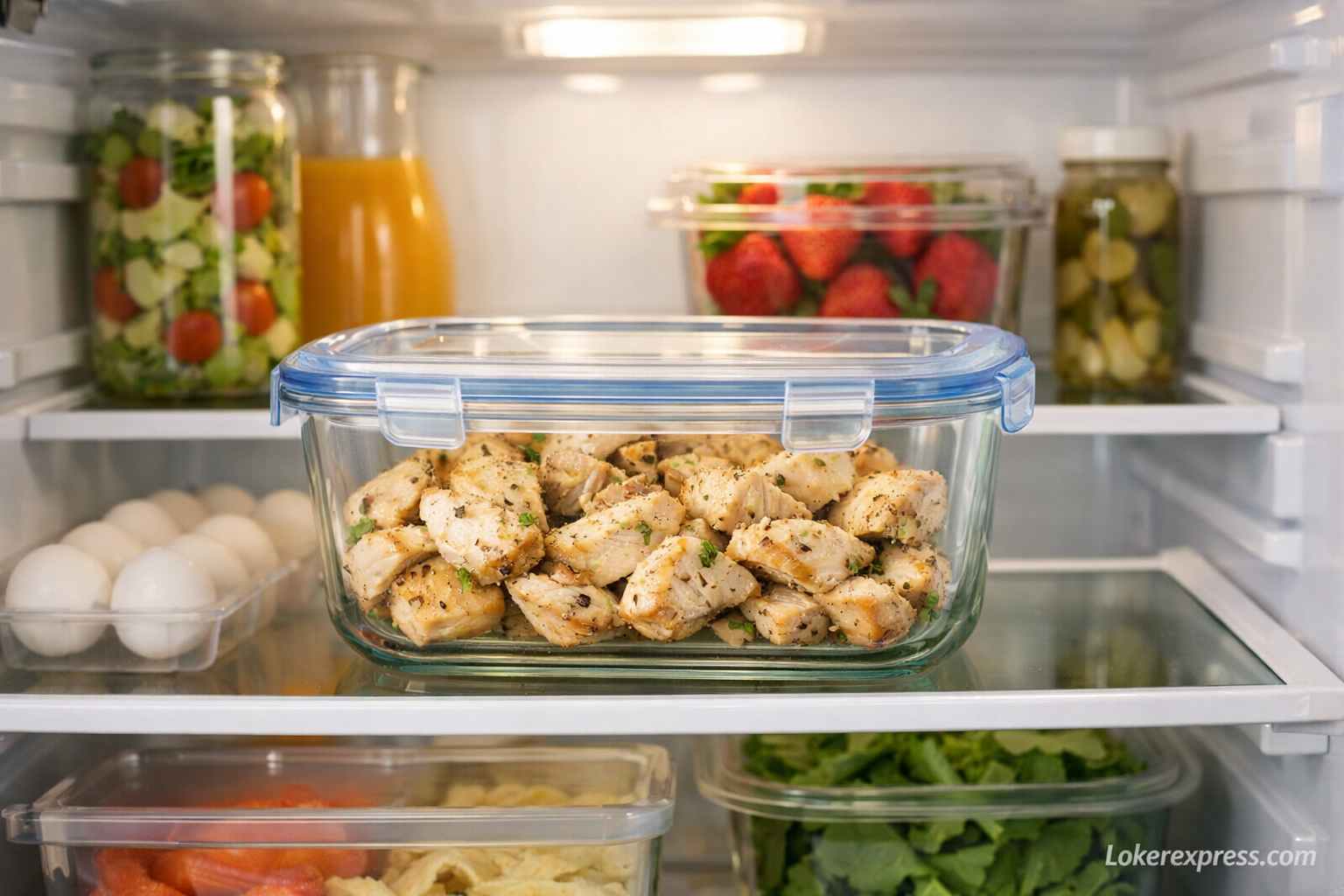
This section gives you the straightforward answer most people are looking for, along with the context that makes it reliable instead of confusing.
In a properly working refrigerator set at or below 40°F (4°C), cooked chicken is generally safe to eat for 3 to 4 days. This applies to most types of cooked chicken, including baked, roasted, grilled, boiled, and shredded chicken. It also applies to chicken that’s part of a dish, such as soups, casseroles, curries, or pasta meals.
The clock starts once the chicken has been cooked and cooled, not when you remember to label the container. If the chicken has been sitting in the fridge longer than four days, it’s safest to discard it, even if it looks or smells okay. Food safety guidelines are based on how bacteria grow over time, not just on obvious signs of spoilage.
What Counts as “Cooked Chicken” for Storage Rules
Before getting into storage tips, it helps to be clear about what foods fall under this rule and which situations confuse people most.
Cooked chicken includes plain pieces like breasts, thighs, wings, and drumsticks, as well as rotisserie chicken from the store. It also includes mixed dishes where chicken is one of the ingredients. The same general 3–4 day rule applies to all of these, as long as they are refrigerated promptly and stored correctly.
What often causes confusion is when chicken is mixed with sauces, spices, or strong flavors. These additions don’t extend the safe storage time, even if they mask smells or changes in texture. Fried chicken, for example, may stay crisp or smell fine for a while, but that doesn’t mean it’s safe beyond the recommended time.
Why Cooked Chicken Doesn’t Last Longer in the Fridge
This section explains the “why” behind the rules, which helps you make better decisions when things aren’t perfectly clear.
Refrigeration slows down bacterial growth, but it does not stop it completely. Once chicken is cooked, any bacteria introduced after cooking can still multiply, just more slowly. Over several days, those bacteria can reach levels that may cause foodborne illness, even if the chicken looks normal.
Another important point is that some harmful bacteria don’t cause obvious spoilage. That’s why relying only on smell or appearance is risky. The 3–4 day guideline exists because it balances safety with practicality for home kitchens, not because food suddenly becomes bad at midnight on day four.
Cooling Chicken Properly Before Refrigeration
This section covers a step many people overlook, which can quietly shorten the life of leftovers.
Cooked chicken should be refrigerated within two hours of cooking. If the room temperature is very hot, such as during summer or outdoor cooking, that window drops to one hour. Letting chicken sit out too long gives bacteria a head start that refrigeration can’t undo.
For large batches, cooling speed matters. Putting a big pot of hot chicken soup straight into the fridge can keep the center warm for too long. A better approach is to divide food into smaller, shallow containers so it cools faster. Warm food can go into the fridge safely; you don’t need to wait until it reaches room temperature.
Best Ways to Store Cooked Chicken in the Fridge
Now that the chicken is cooled, this section focuses on storage habits that help it stay safe and taste better.
Store cooked chicken in airtight containers or tightly wrapped with lids or foil. This prevents contamination from other foods and keeps the chicken from drying out. Place it on a shelf where the temperature is most stable, not in the refrigerator door where temperatures fluctuate.
Labeling leftovers with the date can be surprisingly helpful, especially if you cook often. When you’re not guessing how old something is, you’re less likely to eat chicken that’s past its safe window or throw away food too early.
Signs Cooked Chicken Has Gone Bad
This section helps you make a confident decision when you’re unsure, without encouraging risky taste tests.
Common signs of spoiled chicken include a sour or rotten smell, a slimy or sticky texture, visible mold, or a gray or greenish color. If you notice any of these, throw the chicken away immediately. Do not taste it to “check,” as even a small bite can make you sick.
However, the absence of these signs does not guarantee safety. Chicken that has been refrigerated longer than four days should be discarded, even if it looks and smells fine. When it comes to food safety, time matters as much as appearance.
Reheating Cooked Chicken Safely
This section explains how to handle leftovers when you’re ready to eat them, because reheating mistakes are common.
When reheating cooked chicken, heat it until it is steaming hot all the way through. The safest internal temperature for reheated chicken is 165°F (74°C). This is especially important when using a microwave, which can heat unevenly.
Only reheat the portion you plan to eat. Repeatedly cooling and reheating the same batch increases the risk of bacterial growth and reduces quality. If reheated chicken has been left out at room temperature for more than two hours, it should not be returned to the fridge.
Freezing Cooked Chicken to Extend Its Life
This section is for those moments when you know you won’t eat the chicken in time and want a safe backup plan.
Freezing cooked chicken is a great way to avoid waste. When frozen properly, cooked chicken remains safe for a long time, though quality is best within 2 to 6 months. For best results, freeze chicken in airtight containers or freezer bags with as much air removed as possible.
When you’re ready to use it, thaw cooked chicken in the refrigerator, not on the counter. Once thawed, treat it like freshly cooked leftovers and eat it within a day or two.
Common Questions and Situations People Worry About
This section addresses real-life scenarios that don’t always fit neatly into rules.
People often ask if rotisserie chicken lasts longer because it’s store-bought. It doesn’t. Once refrigerated, it follows the same 3–4 day guideline. Another common question is whether chicken cooked with salt, vinegar, or spices lasts longer. These ingredients may affect flavor but do not make chicken safe to eat longer in the fridge.
If your fridge lost power and you’re unsure how warm it got, it’s safest to throw out cooked chicken that may have been above safe temperatures for several hours. When in doubt, safety should come first.
Read More: How Long Can You Keep Boiled Eggs in the Refrigerator?
Conclusion: A Simple Rule That Keeps You Safe
Cooked chicken is a convenient, protein-rich leftover, but it has a limited shelf life. In a properly chilled refrigerator, it’s best eaten within 3 to 4 days. Cooling it promptly, storing it correctly, reheating it thoroughly, and freezing it when needed all help reduce risk and waste.
Your next step is simple: check your fridge temperature, label your leftovers, and when the date is unclear, choose safety over guesswork. A small habit change can protect your health and make your kitchen routines more confident and stress-free.