
 By admin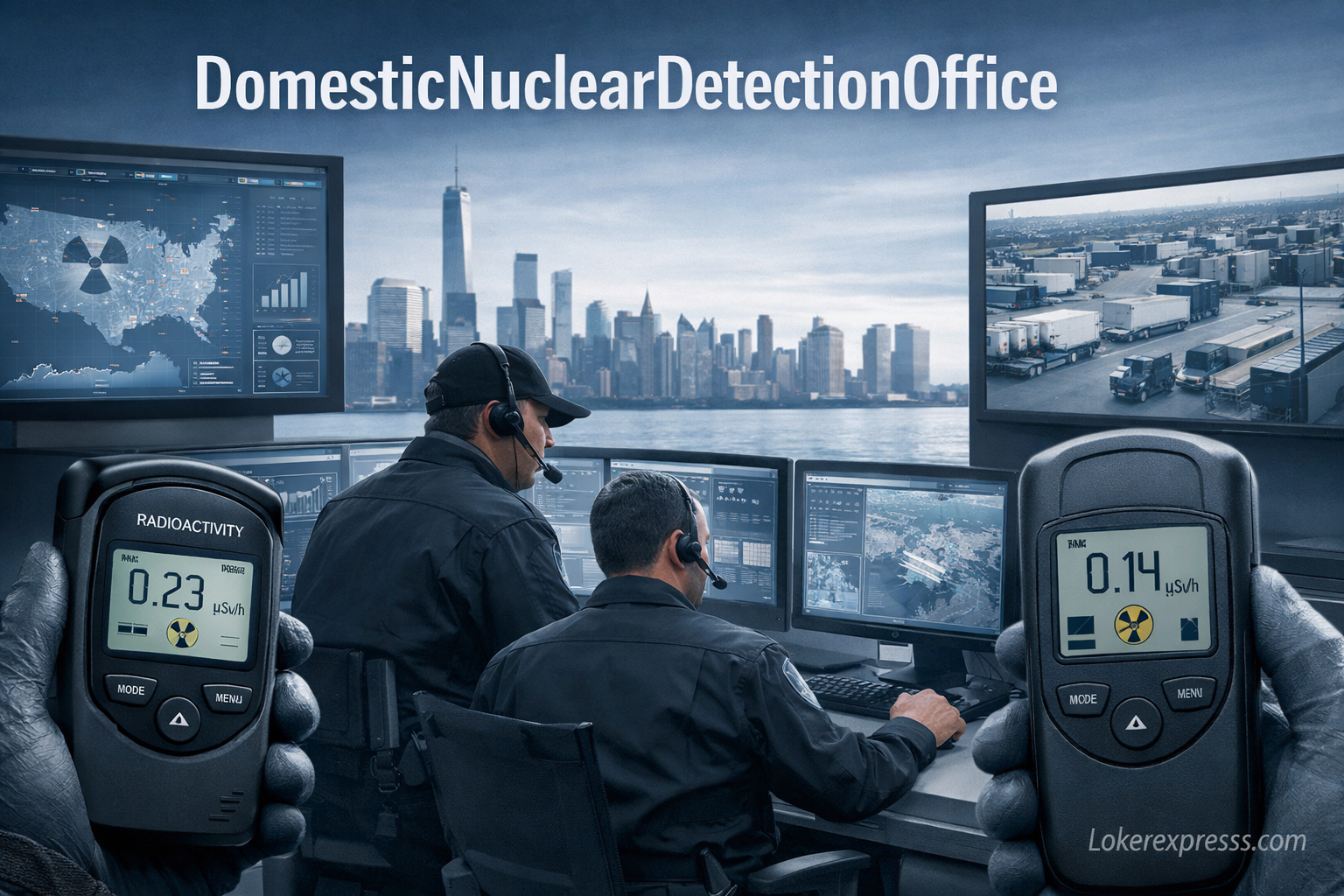
If you searched for domesticnulceardetectionoffice, you are probably trying to understand how the United States detects nuclear or radiological threats inside the country. You may also be confused by outdated information, different office names, or technical language that makes the topic hard to follow.
This article is written for you if you want a clear, trustworthy explanation of what the Domestic Nuclear Detection Office was, what replaced it, and how domestic nuclear detection works today. You do not need a science or security background to follow along. Everything here is explained in plain English, with practical context and real-world meaning.
By the end, you will understand the mission, the technology, the role of state and local agencies, and why domestic nuclear detection still matters even if you never hear about it in daily news.
Understanding the Domestic Nuclear Detection Office (DNDO)
Before diving into how nuclear detection works today, it helps to understand where the Domestic Nuclear Detection Office came from and why it existed in the first place.
The Domestic Nuclear Detection Office, often shortened to DNDO, was created after the early 2000s when national security leaders realized the country needed a coordinated way to detect nuclear and radiological threats inside U.S. borders. The goal was not only to stop a nuclear weapon, but also to detect radioactive materials that could be used in a dirty bomb or moved illegally.
DNDO was designed as a central coordinating office. It did not replace police, border officers, or emergency responders. Instead, it supported them by setting standards, funding equipment, developing technology, and connecting federal, state, and local partners into one detection system.
Over time, DNDO’s responsibilities were merged into a newer organization, but its mission did not disappear.
Why Domestic Nuclear Detection Is a Real-World Concern
Many people assume nuclear threats are only an international or military issue. In reality, domestic nuclear detection focuses on preventing rare but high-impact events that could affect everyday life.
Radiological material is used legally in hospitals, construction, research labs, and power generation. That means radioactive sources exist all around you. The risk comes when those materials are lost, stolen, or intentionally misused.
Domestic nuclear detection exists to reduce risks such as:
- A radiological dispersal device designed to cause panic and contamination
- Smuggling of nuclear material through ports, borders, or cities
- Lost or orphaned radioactive sources entering public spaces
Even when no malicious intent exists, a single radioactive source in the wrong place can shut down a city block, airport, or transportation system for days. Detection helps authorities respond quickly and correctly instead of guessing.
How the Mission Continued After DNDO
This section explains what happened after DNDO and why you may still see its name online.
DNDO no longer exists as a standalone office. Its mission and programs were absorbed into a broader Department of Homeland Security organization focused on countering weapons of mass destruction. This change was meant to improve coordination across nuclear, radiological, chemical, and biological threats.
In practical terms, this means that if you are researching DNDO today, you should understand it as a legacy name. The work continues under a new structure, with many of the same goals:
- Prevent nuclear and radiological terrorism
- Support state and local detection programs
- Improve detection technology and training
- Coordinate response and technical expertise
The name changed, but the need did not.
How Domestic Nuclear Detection Technology Works
This section introduces the technology side without diving into unnecessary physics.
Most domestic nuclear detection tools work by sensing radiation and alerting trained personnel when readings cross certain thresholds. Radiation itself is not rare, so the real challenge is identifying what is normal and what is not.
Common detection tools include:
- Fixed monitors at ports and entry points
- Mobile detectors used by law enforcement
- Handheld identification devices for responders
Detection systems do not act alone. When an alarm happens, trained personnel assess the situation, gather context, and often consult experts who can help identify the source. A medical patient, a truck carrying ceramic tiles, and a dangerous radioactive source can all produce signals that look similar at first.
Good detection is about decision-making, not just alarms.
The Role of State and Local Agencies
Domestic nuclear detection does not work without state and local partners. This section explains why local involvement matters so much.
Police departments, emergency management agencies, fire departments, and public health officials are often the first to encounter suspicious radiation readings. Federal agencies support them, but local responders are the ones on the ground.
Effective programs focus on:
- Training officers and responders to use detection tools correctly
- Establishing clear response procedures before an incident
- Practicing through exercises so responses are calm and controlled
When detection is treated as part of everyday public safety instead of a rare specialty, communities are far better prepared.
Nuclear Forensics and What Happens After Detection
Finding radioactive material is only the first step. This section explains what happens next.
Once material is detected, experts may need to determine what it is, where it came from, and whether it poses a real threat. This process is known as nuclear forensics.
Nuclear forensics helps decision-makers answer critical questions:
- Is the material dangerous or controlled?
- Is it linked to criminal or terrorist activity?
- What response level is appropriate?
Accurate forensic analysis prevents overreaction while ensuring real threats are taken seriously. It also supports investigations and helps prevent future incidents.
Common Myths About Domestic Nuclear Detection
This short section clears up misunderstandings that often confuse readers.
Many people believe nuclear detection means constant surveillance or mass scanning of civilians. That is not how it works. Detection efforts are targeted, risk-based, and focused on locations where threats are more likely, such as ports, major events, and critical infrastructure.
Another myth is that any radiation reading means danger. In reality, radiation is part of modern life. The goal is not to eliminate radiation, but to manage risk intelligently.
Practical Lessons for Public Safety and Infrastructure Leaders
If you work in public safety, transportation, or critical infrastructure, this section is for you.
Domestic nuclear detection works best when it is:
- Integrated into existing security and safety operations
- Supported by ongoing training, not one-time purchases
- Backed by clear communication between agencies
Programs fail when equipment is bought but not maintained, or when staff are not confident using it. Successful programs treat detection as a living capability that evolves with technology and threats.
The Future of Domestic Nuclear Detection
Domestic nuclear detection continues to evolve. Technology is improving, data analysis is getting smarter, and coordination across agencies is stronger than it was two decades ago.
Future efforts focus on making detection more accurate, reducing false alarms, and helping responders make faster, better decisions. The mission is no longer about building systems from scratch, but about refining them and making sure they work under real-world conditions.
Conclusion: What You Should Take Away
If you searched for domesticnulceardetectionoffice, the most important thing to understand is this: the office name may be outdated, but the mission is very much alive.
Domestic nuclear detection exists to protect communities from rare but serious threats involving radioactive and nuclear materials. It relies on trained people, smart technology, and strong coordination between local and federal partners.
Your next step depends on why you are researching this topic. If you work in public safety, learning how detection fits into everyday operations is key. If you are a student or researcher, understanding the system behind the name will give you far more value than focusing on DNDO alone.
Either way, the takeaway is clear. Domestic nuclear detection is not about fear. It is about preparedness, smart planning, and keeping small risks from becoming big disasters.