
 By admin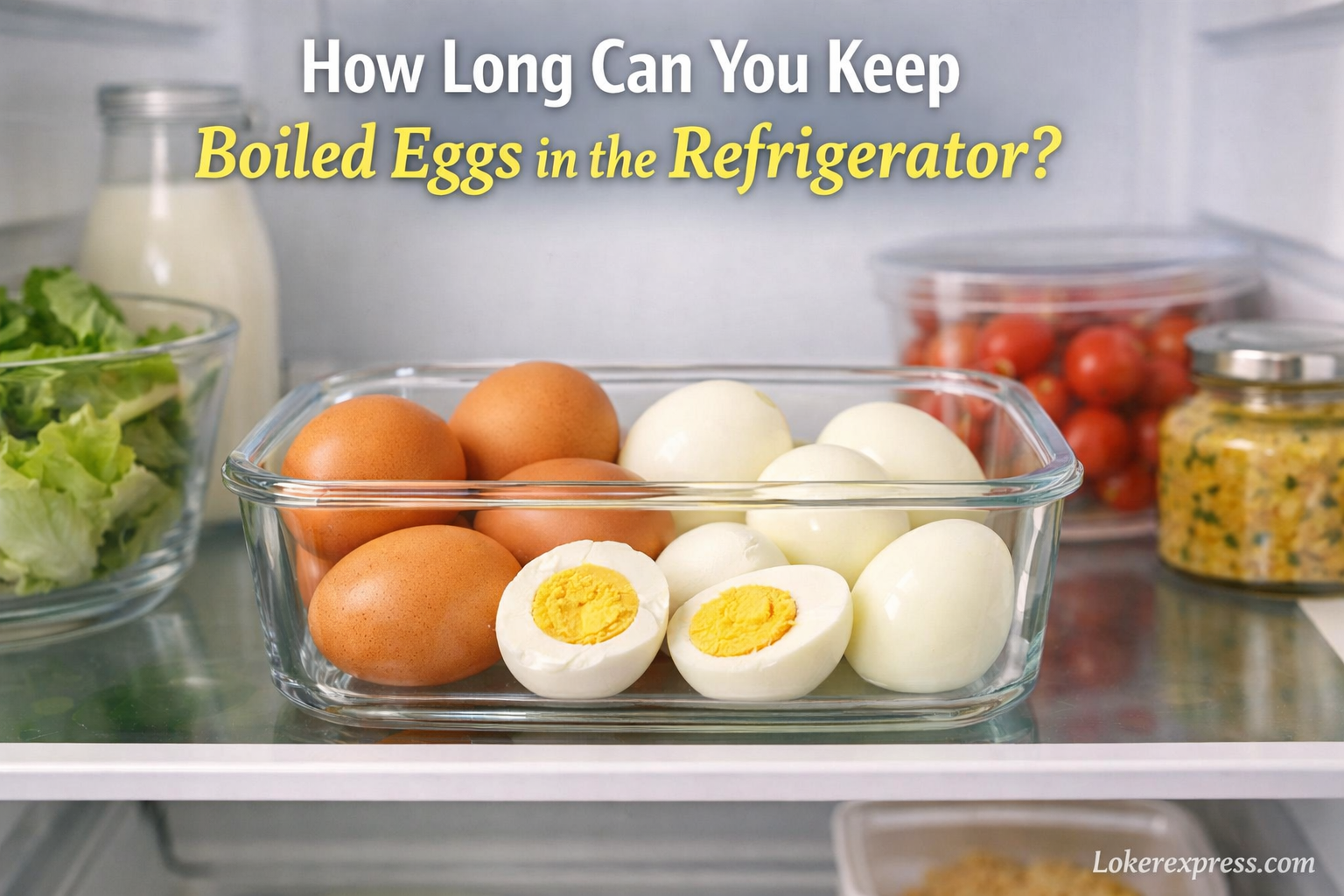
Boiled eggs are one of the most practical foods you can keep in your kitchen. They are affordable, filling, easy to prepare, and useful for everything from quick breakfasts to salads and snacks. If you cook a batch ahead of time, though, an important question always comes up: how long can you safely keep boiled eggs in the refrigerator?
This article is for anyone who meal preps, packs lunches, or simply wants to avoid wasting food or risking an upset stomach. You’ll learn how long boiled eggs really last, what affects their shelf life, how to store them correctly, and how to tell when it’s time to throw them away. Everything here is based on established food safety guidance and real-life kitchen experience, explained in clear, simple English.
How long boiled eggs last in the refrigerator
Let’s start with the answer most people are searching for. Hard-boiled eggs can be kept in the refrigerator for up to seven days after cooking, as long as they are cooled properly and stored at a safe temperature. This timeline applies whether the eggs are left in their shells or already peeled.
The seven-day rule begins the day you boil the eggs, not the day you bought them. If you cook eggs on a Tuesday, the safest plan is to use or discard them by the following Tuesday. While some people stretch that window, food safety recommendations are designed to reduce risk in real-world kitchens where fridge temperatures can fluctuate and eggs may be handled multiple times.
Why boiled eggs spoil faster than raw eggs
Understanding why boiled eggs have a limited fridge life helps you store them more carefully. Raw eggs have natural protection. The shell and inner membranes act as a barrier, and the raw egg white contains compounds that slow bacterial growth.
Once you boil an egg, those defenses change. Cooking alters the egg’s structure, and cooling, peeling, or cracking the shell can allow bacteria to enter. Boiled eggs are also more likely to be handled directly with hands, placed on counters, or moved between containers, which increases the chance of contamination. Because eggs are high in protein and moisture, bacteria grow more easily if conditions are not ideal.
Cooling boiled eggs the right way
What you do immediately after boiling eggs has a big impact on how long they stay safe to eat. This section explains why cooling matters and how to do it without overcomplicating things.
Why quick cooling is important
Bacteria grow fastest at warm temperatures. If boiled eggs sit out too long after cooking, they spend time in the temperature range where bacteria multiply quickly. That’s why perishable foods, including cooked eggs, should not sit at room temperature for more than two hours.
A practical cooling routine
After boiling, you can place eggs in cold water or an ice bath to stop the cooking and cool them faster. Once they are no longer hot to the touch, dry them and place them in the refrigerator. You don’t need special tools or techniques; the key is not leaving them on the counter for extended periods while they cool slowly.
Storing boiled eggs with the shell on vs peeled
Many people wonder whether peeled eggs spoil faster than unpeeled ones. From a food safety standpoint, both peeled and unpeeled hard-boiled eggs can be safely stored in the refrigerator for up to seven days.
However, there is a quality difference. Eggs stored in their shells tend to stay fresher longer because the shell helps protect them from air, moisture loss, and refrigerator odors. Peeled eggs are more exposed, which can lead to drying out or absorbing smells from nearby foods.
If you do store peeled eggs, place them in a clean, covered container. Some people add a damp paper towel to help prevent dryness, but cleanliness and refrigeration temperature matter more than the exact method you use.
The best place and container for boiled eggs
How and where you store boiled eggs in your fridge can affect both safety and taste. This section covers simple habits that make a real difference.
Your refrigerator should be set at or below 40°F (4°C). Eggs stored above this temperature spoil faster, even if they look fine. Keeping a fridge thermometer inside helps you know your appliance is doing its job.
Boiled eggs should be stored in a covered container rather than loose in the refrigerator door. The door experiences more temperature changes, and uncovered eggs can absorb odors from foods like onions or leftovers. A sealed container placed on a middle shelf provides more stable conditions and helps maintain freshness throughout the week.
Boiled eggs used in recipes and leftovers
Plain hard-boiled eggs last longer than egg-based dishes. Once you turn eggs into deviled eggs, egg salad, or a mixed dish, the storage timeline changes.
Prepared egg dishes usually include additional ingredients such as mayonnaise, vegetables, or meats. These foods introduce more moisture, more handling, and more opportunities for bacteria to grow. For that reason, egg dishes should generally be eaten within three to four days when kept in the refrigerator.
If you are preparing food for guests or meal prepping, it’s often better to boil eggs in advance and assemble recipes closer to serving time. This approach gives you better texture, fresher flavor, and a wider safety margin.
Can you freeze boiled eggs?
Freezing seems like an easy solution when you want to make food last longer, but boiled eggs are not ideal freezer foods. While freezing can stop bacterial growth, it changes the texture of the egg dramatically.
The whites become rubbery and watery once thawed, and the overall eating experience is usually unpleasant. Because of this, freezing whole hard-boiled eggs is not generally recommended. If your goal is convenience and safety, cooking smaller batches more often is usually a better plan than trying to freeze boiled eggs.
How to tell if a boiled egg has gone bad
Even when you follow storage guidelines, there may be times when you are unsure whether an egg is still good. This section explains what signs to look for and why time still matters.
A strong sulfur or rotten smell is the clearest sign that an egg should be thrown away. Other warning signs include a slimy texture, unusual discoloration, or a sour odor once the egg is peeled or cut open. If you notice any of these, discard the egg immediately.
It’s important to remember that not all harmful bacteria cause visible spoilage. An egg can look and smell normal and still be unsafe if it has been stored too long or kept at an unsafe temperature. That’s why the seven-day guideline exists. If you are unsure when the eggs were cooked or know they are past a week old, the safest choice is to throw them away.
Special situations that affect boiled egg safety
Certain everyday situations can shorten the safe life of boiled eggs, even if they were originally stored correctly.
If you pack boiled eggs in a lunchbox, they should stay cold until you eat them. An insulated bag with an ice pack helps prevent the eggs from warming up for hours at room temperature. Eggs left warm for too long should not be returned to the refrigerator for later use.
Power outages are another situation to consider. If your refrigerator loses power for several hours and the eggs become warm, it’s safest to discard them. When in doubt, especially for children, older adults, or anyone with a weakened immune system, choosing safety over savings is the right call.
Common questions people ask about boiled eggs
Many readers wonder about visual changes in boiled eggs. A greenish ring around the yolk is usually caused by overcooking and is a quality issue, not a safety one. While it may look odd, it does not automatically mean the egg has spoiled.
Another common question is whether storing peeled eggs in water helps them last longer. While water can prevent drying, it does not extend the safe storage time. Clean containers, cold temperatures, and respecting the seven-day limit are far more important than the specific storage method.
Read More: How Many Ounces in a Gallon? Simple U.S. & UK Guide
Conclusion: the safest way to enjoy boiled eggs
Boiled eggs are a convenient, nutritious food when handled correctly. When you cool them promptly, store them in a clean container, and keep your refrigerator cold, hard-boiled eggs can safely last up to seven days. Peeled or unpeeled, the same rule applies, but keeping the shell on often preserves better texture and flavor.
For egg-based dishes, aim for three to four days, and avoid freezing whole boiled eggs if you care about quality. When in doubt, trust time and temperature guidelines rather than appearance alone.
Your next step is simple: label your container with the cooking date, store eggs properly, and enjoy them confidently within the recommended window. A little attention now saves you from wasted food and unnecessary health risks later.