
 By admin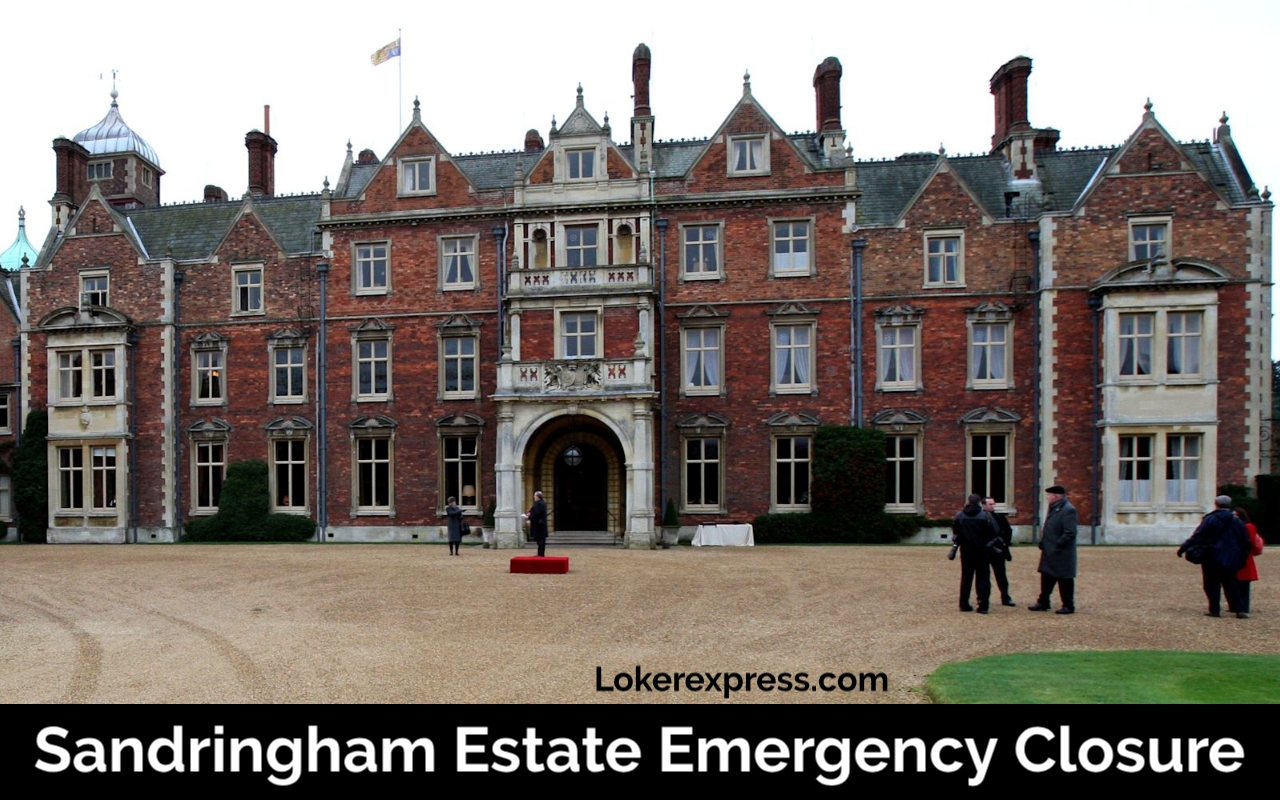
When news breaks that a famous royal home has closed “with immediate effect,” it’s natural to feel curious, worried, or even a bit annoyed if you were planning a trip. That’s exactly what happened with the Sandringham Estate emergency closure after a serious plumbing and water supply problem forced the royal residence to shut its doors to visitors for a short period. If you love heritage sites, already have tickets, or are just trying to understand what went on, this guide is for you.
In this article, you’ll get a clear, plain-English explanation of what the Sandringham Estate emergency closure was, why it happened, how it affected visitors, and what you should do if something similar happens again. You’ll also find practical tips for planning a visit to Sandringham after the incident, as well as answers to common questions people have when they see headlines about “emergency closures” at major attractions. The goal is simple: to help you feel informed, prepared, and confident about visiting Sandringham, rather than confused by dramatic headlines or vague social media posts.
What Happened in the Sandringham Estate Emergency Closure?
When people read the phrase “emergency closure,” the first worries that often come to mind are security threats, royal health scares, or major structural damage. In the case of Sandringham Estate, the situation was far more practical: a serious plumbing issue caused by a burst water main in the local area. Without a normal water supply, the estate simply could not safely host visitors for the day.
The burst main affected water pressure and supply not only for ordinary homes in the surrounding villages, but also for the estate itself. That meant toilets could not be flushed, hand-washing facilities did not work correctly, and there was no reliable water for catering, cleaning, or basic hygiene. From a visitor’s point of view, you might think of it as turning up to a major attraction only to find there is no running water anywhere on site.
Because Sandringham is both a royal residence and a popular visitor destination, the estate’s team took the cautious route. They issued an emergency notice closing the House, Gardens and visitor facilities for the day, apologised to anyone affected, and allowed access only to the wider parkland on a limited basis. It was inconvenient, but it was a responsible response to a sudden infrastructure failure.
A Quick Background on Sandringham Estate
To understand the impact of the closure, it helps to know a bit about what Sandringham is, how it normally operates, and why so many people travel to this corner of Norfolk each year.
Sandringham Estate is a private royal estate traditionally associated with the British monarch. The centrepiece is Sandringham House, a country house set in extensive gardens and surrounded by parkland, woodland and working farmland. For much of the year, it functions as a private home for the royal family, particularly around Christmas and special occasions. At the same time, it operates as a visitor attraction, with an open season when the House and Gardens are available for public tours.
During the open season, you can walk through selected rooms of the House, explore the formal gardens, visit the museum and visitor centre, shop in the gift shop, and eat in the restaurant or café. The surrounding royal parkland is often open all year round for walking and recreation, with facilities such as parking, toilets, and play areas making it a popular day out for locals as well as tourists.
This dual role — a private royal residence and a public heritage site — means the estate must constantly balance security, maintenance, and visitor experience. When something essential like water or plumbing goes wrong, the team has to think not only about guest comfort, but also about safety, health regulations and the protection of historic buildings.
Why a Plumbing Failure Can Shut a Whole Estate
At first glance, it might seem surprising that “just” a plumbing issue could shut down a large, mostly outdoor estate. But when you look at how modern visitor attractions operate, the decision makes a lot of sense. This section explains why water and plumbing problems can trigger a full closure.
When the water stops flowing, the first and most obvious issue is toilets. Without working toilets, an estate welcoming hundreds or even thousands of people in a day very quickly becomes unhygienic. It’s not simply a question of comfort; it’s a matter of health and legal responsibility. Regulations around public venues are clear: there must be adequate sanitary facilities, and they must be in safe, usable condition. If the estate knows its toilets cannot be flushed or cleaned, keeping the site fully open would be irresponsible.
Plumbing and water also affect less visible but equally important areas. Kitchens and cafés need clean running water for food preparation, dishwashing, and basic hygiene. Staff need water to wash hands, clean surfaces and maintain safe standards throughout the site. Housekeeping teams need water to care for interiors, especially in a historic house where dirt, dust and spills can damage delicate furnishings and finishes if they are not dealt with properly. In some cases, water is linked to fire safety systems as well, adding another layer of risk if the supply is compromised.
On top of these practical concerns, there is the question of reputation and guest experience. Sandringham is a well-known royal estate, and visitors arrive with high expectations. Welcoming people into a site with non-functioning toilets, no hand-washing, no hot drinks and no clear information about when things will be fixed would lead to frustration, complaints and long-term damage to the estate’s image. A short, clear emergency closure is often better than allowing a day of chaos and disappointment.
Timeline of the Sandringham Emergency Closure
When you see news about an “emergency closure,” one of the first questions you probably have is: how long did it actually last, and is everything normal now? Let’s walk through the basic timeline of the Sandringham situation in simple terms.
The emergency began when a burst water main in the local area cut or significantly reduced the water supply to the estate. Once it became clear that the problem was not a minor pressure blip and could not be quickly fixed on site, the estate issued a public notice. That announcement explained that, due to an emergency plumbing issue affecting water and toilet facilities, Sandringham House, the Gardens, the restaurant and the main visitor facilities would be closed to visitors for the day.
During this time, the wider parkland was technically still accessible, but with strict limitations. The key message was that there would be no toilet facilities available anywhere on the estate, and visitors were warned accordingly. For many people, especially families or older visitors, that alone is enough reason to postpone a trip.
Water companies and engineers then worked to repair the burst main and restore normal supply to local customers, including Sandringham. Once stable water pressure and safe conditions were confirmed, the estate reopened to visitors. In the end, the closure was short-term — a matter of days rather than weeks — and normal operations resumed once the emergency repair work was complete.
For you as a potential visitor, the most important takeaway is that the emergency closure was temporary and linked to a specific infrastructure failure, not a long-term or permanent shutdown of the estate.
How the Closure Affected Visitors on the Day
If you had planned to visit Sandringham on the day of the emergency closure, the impact would have depended on what kind of visit you were expecting. This section looks at how different types of visitors were affected, so you can better understand the real-world consequences of such a sudden change.
If you were coming for a full estate experience — a tour of Sandringham House, time in the formal gardens, a relaxed lunch in the restaurant and a browse around the gift shop — the closure would have been very disruptive. All of those elements were directly affected. The House was closed, the Gardens were closed, the restaurant and café could not operate safely, and indoor visitor facilities such as the museum and toilets were unavailable. In practice, that means your visit could not go ahead as planned.
If you were visiting mainly for a walk in the royal parkland, perhaps as a local or someone using the estate as an outdoor space, the picture was slightly different. The parkland remained open, which meant you could technically still walk, exercise, or enjoy the scenery. However, you would have had to manage without toilets or indoor facilities. For some people, that might be acceptable for a short, spontaneous walk. For others, especially those travelling a distance or visiting with children, it would be a strong reason to postpone.
Emotionally, unexpected closures can be very frustrating. You may have booked time off work, paid for travel, or arranged your schedule around a visit to a specific royal attraction. Facing a locked-up estate when you arrive can feel unfair, even if the reason is outside the estate’s control. This is why communication and clear signage matter. Sandringham’s team publicly apologised and explained the cause, which helps visitors understand that the decision was made for safety and hygiene, not convenience.
Planning a Visit After the Emergency: What You Should Check
Now that the emergency closure is in the past, you might be wondering whether it has any lasting impact on future visits. The good news is that once the water main was repaired and the plumbing restored, Sandringham went back to its normal pattern of seasonal opening and closing. However, the incident is a useful reminder that you should always check a few key details before travelling.
Before you go, take a moment to confirm:
- Opening dates and times for the House and Gardens. Sandringham usually has a defined open season for indoor areas, often running through the spring and summer months, while the parkland may stay open year-round.
- Which parts of the estate are open on the specific day you plan to visit. Sometimes special events, royal usage, or maintenance can limit access to certain areas while others remain available.
- Any current notices about reduced facilities. Situations like ongoing repairs, temporary closure of the restaurant, or limited toilet access are usually flagged in advance when possible.
- Parking arrangements and charges. The parkland often remains open even when the House is closed, and parking charges may still apply.
By checking these simple points, you can avoid most surprises. The emergency closure was unusual and sudden, but smaller changes and short-term disruptions are not uncommon at large heritage sites, especially ones that are also working estates and family homes.
Refunds, Tickets and Travel Changes: Practical Advice
A sudden, emergency closure raises very practical questions about money and logistics. If you had tickets booked for Sandringham on the day of the plumbing failure, you would reasonably want to know what happens to your booking and what you can do about your travel plans.
In situations like this, estates and attractions usually aim to be fair and flexible. While specific policies can vary, there are some sensible steps you can take if your visit is affected by an emergency closure:
- Keep your booking confirmation and any receipts. These are your proof of purchase, and you may need them to arrange a refund, transfer or credit.
- Check the official communication first. Often, the estate or ticket provider will clearly state what they are offering — for example, full refunds, rebooking options, or open-dated tickets for a future visit.
- Contact the ticket office or booking platform promptly. If you booked directly through the estate, use their official contact details. If you booked through a third-party website or travel agent, you may need to go through them instead.
- Speak to your transport and accommodation providers. Train companies, airlines and hotels each have their own policies for last-minute changes. Some may offer credits or flexible rebooking options, especially if you explain that a major part of your trip is no longer possible.
- Make a note of names, dates and times of any calls or emails. Keeping a simple record of your conversations will help if you need to follow up later.
Even when an emergency closure is caused by something outside the estate’s direct control, such as a burst water main, many attractions will still try to look after visitors who lose out on their experience. Approaching the situation calmly and clearly, with your details to hand, usually leads to the best outcome.
Safety, Maintenance and How Estates Handle Emergencies
One of the less visible but very important aspects of running a royal estate or heritage attraction is risk management. The Sandringham emergency closure highlights how seriously responsible estates take safety and maintenance, even when the issue is as unglamorous as plumbing.
Behind the scenes, estates like Sandringham typically have maintenance teams and external contractors who monitor infrastructure, schedule regular inspections and respond quickly to faults. They also work closely with local utilities, such as water and power companies, because many risks originate outside the estate boundaries. A burst main in the surrounding village, for example, can affect the estate even though it is not on land owned by the royal household.
When something goes wrong suddenly, there are usually predefined procedures to follow: assess the risk, decide which areas must close, communicate with staff and visitors, and coordinate with external engineers or emergency services. Clear lines of responsibility and communication help ensure that decisions are made quickly and consistently. In the Sandringham case, closing the House, Gardens and visitor facilities was a direct response to the loss of basic utilities, not a sign of panic.
For you as a visitor, this should actually be reassuring. Knowing that the estate will close if it cannot guarantee safe, hygienic conditions means you are less likely to be put in a situation where you are wandering around a historic site with unsafe facilities, poor sanitation or hidden hazards. Short-term inconvenience is the trade-off for long-term safety, both for visitors and for the historic buildings themselves.
Frequently Asked Questions About the Sandringham Closure
When an event like this makes the news, a lot of similar questions tend to come up. Here are some of the most common things people want to know about the Sandringham Estate emergency closure and how it might affect future visits.
Was the emergency closure linked to a security threat or royal health issue?
No. The closure was triggered by a serious plumbing and water supply problem, not by any security incident or health event involving members of the royal family. It was an infrastructure issue rather than a royal or political one.
Is Sandringham Estate still safe to visit?
Yes. Once the burst water main was repaired and the plumbing returned to normal, Sandringham reopened as usual. The estate has every incentive to maintain high safety and hygiene standards, both because of its royal status and because it is a public attraction.
Did the emergency cause lasting damage to Sandringham House or the Gardens?
There is no indication that the closure was due to structural damage. The decision to close was about the absence of running water and the knock-on effect on toilets, kitchens and sanitation. Once water was restored, normal operations resumed.
What if something similar happens on the day I plan to visit?
Emergency closures are rare, but they can happen anywhere. The best approach is to check the official channels before you travel, keep your booking details safe, and be prepared to contact the estate or your ticket provider if you are affected. In many cases, you will be able to rebook or receive some form of compensation.
Is the parkland treated differently from the House and Gardens during emergencies?
Often, yes. Because the parkland is an outdoor space with fewer intensive facilities, it may stay open when indoor areas close, provided it is safe to do so. However, toilet and café closures can still make a big difference to your comfort, so you should always check the latest information.
Does an emergency closure mean future openings will be less reliable?
Not usually. A burst water main or similar problem is generally a one-off event. Estates learn from emergencies and may use them as an opportunity to strengthen contingency plans, but they do not normally change the overall reliability of the site’s opening schedule.
Read More: What CycleMoneyCo Latest Post Means for Your Business Money
Final Thoughts: How to Enjoy Sandringham with Confidence
The Sandringham Estate emergency closure is a useful reminder that even the most prestigious places rely on everyday infrastructure like water, plumbing and utilities. When those systems fail, responsible managers sometimes have no choice but to close, even if it disrupts visitors and makes headlines. It can be annoying if your trip is affected, but it is ultimately a sign that safety and hygiene are being taken seriously.
If you are planning a visit to Sandringham, you can still look forward to a rich and memorable experience. The emergency closure was temporary and linked to a specific incident that has since been resolved. The House and Gardens remain an important part of royal heritage, and the parkland continues to offer open space and fresh air in the Norfolk countryside.
To give yourself the best chance of a smooth, enjoyable visit, take three simple steps: check the official opening information close to your travel date, keep your booking confirmations and receipts somewhere safe, and stay flexible enough to adjust your plans if something unexpected happens. With those precautions in place, you can relax, enjoy the surroundings, and appreciate the work that goes on behind the scenes to keep a royal estate running.
In short, the Sandringham emergency closure was a short chapter in a long story. By understanding what happened and how it was handled, you can approach your own visit with more knowledge, less worry, and a deeper respect for the mix of tradition and practical reality that defines this remarkable royal home.